
Is Egypt safe for women? Yes, and here is what the trip actually feels like


Is Egypt safe for women? Yes, and here is what the trip actually feels like
Egypt is safe for women, whether you come as a couple, with a friend, with your family or in a small group. Violent crime against visitors is rare, the sites and cruise boats are staffed and watched, and Egyptian hospitality toward women is real. What you will meet is attention: staring in the street, comments near the bazaars, and very occasionally a hand brushing past in a packed crowd. It is tiresome rather than dangerous, and it drops sharply once you have a guide beside you, a driver waiting, a hotel in the right neighborhood and clothes that do not stand out. This page explains where each thing happens, what almost never happens, and how we build trips so it stays that way.
The direct answer, for every way you might travel
Safe for whom, traveling how? The answer changes with the configuration.
| How you travel | What to expect | Our advice |
|---|---|---|
| As a couple | Minimal attention. A man beside you ends most conversations before they start. | Relax. Follow the dress notes below and you will barely notice a thing. |
| Two or three friends | Some comments in the bazaar and at the Pyramids, a few selfie requests. Vendors see a sale, not a target. | A guide for Cairo and Luxor days, a driver for the evenings. |
| With your family | Egyptians adore children and a family is treated with warmth everywhere. Attention to the women almost disappears. | The easiest configuration. Plan around heat and walking distances, not safety. |
| Small organized group | You move in a bubble: guide, private vehicle, boat, known restaurants. Street contact is by choice. | Ideal for first-timers who do not want to manage attention at all. |
| Solo | Possible and common, but it takes more energy. Everything above applies with more intensity. | Read our solo female travel in Egypt plan, which covers the solo case in full. |
For the wider picture of crime, terrorism and the regions the US State Department advises against, read is Egypt safe to visit. This page stays on what is specific to women.
What actually happens, and exactly where
There are three issues, and each has a map.
Staring
The most common thing and the least harmful. Men in Egypt look at women openly and longer than an American is used to, usually out of curiosity. It happens on the street in Cairo, on the Corniche in Luxor and Aswan, in the metro, and in neighborhoods where tourists are rare. It does not happen inside temples, hotels, cruise boats or the Red Sea resorts. Sunglasses help, and after two days most women stop registering it.
Comments
Vendors near the Pyramids, in Khan el Khalili and along the Luxor waterfront use flattery as a sales tool: "welcome, beautiful, where are you from" is a pitch, not a pass. Young men on busy streets after dark, around Tahrir, Downtown Cairo and the Giza market streets, sometimes call out. A taxi driver hailed from the street occasionally starts a conversation that goes further than it should. None of this happens with a guide next to you or in the quieter hotel districts.
Occasional touching in crowds
This is the one to know about in advance. In a dense crush, a metro car at rush hour, a packed bazaar alley on a Friday evening, a festival crowd, a hand may brush past. It is rare and opportunistic, and it is exactly why the Cairo metro has women's cars and why we route clients around the market at its busiest hour. On a normal guided day you are never in that kind of crowd.
What almost never happens
The fears people bring to Egypt are usually bigger than the reality, so it is worth stating what is rare.
- Physical assault of a visitor. Rare, and tourist zones are heavily policed.
- Being followed into your hotel. Every hotel entrance has security and a metal detector.
- Trouble on a Nile cruise. Crew, guide and fellow passengers surround you all day. We treat the boat as the safest environment in the country.
- Problems inside temples, tombs and museums. Ticket control, tourist police and guides fill these places. The only nuisance is a guard offering a "secret spot" for a tip.
- Trouble in the Red Sea resorts. Inside the perimeter they work like any international beach destination.
What replaces those fears is a country where a family shares its picnic with you at the temple and a woman on the metro pulls you into the right car.
The practical layers: guide, driver and the right neighborhood
Three decisions taken before you land do more for your comfort than anything you can do on the ground.
A guide for the busy days
A licensed Egyptian guide is the mechanism that switches the street off. Vendors know a guided group is not their customer and stop the moment the guide speaks. Guards, ticket sellers and drivers deal with the guide, not with you, and the guide answers the questions you would otherwise be answering to strangers. Several of our guides are women; if you prefer a female guide, say so and we arrange it where available.
A driver who waits
A private vehicle with a driver who stays with you removes the taxi question entirely, which is where most uncomfortable moments for women start. He takes you door to door, waits outside the restaurant, and is there when you leave the sound and light show at ten at night.
A hotel in the right neighborhood
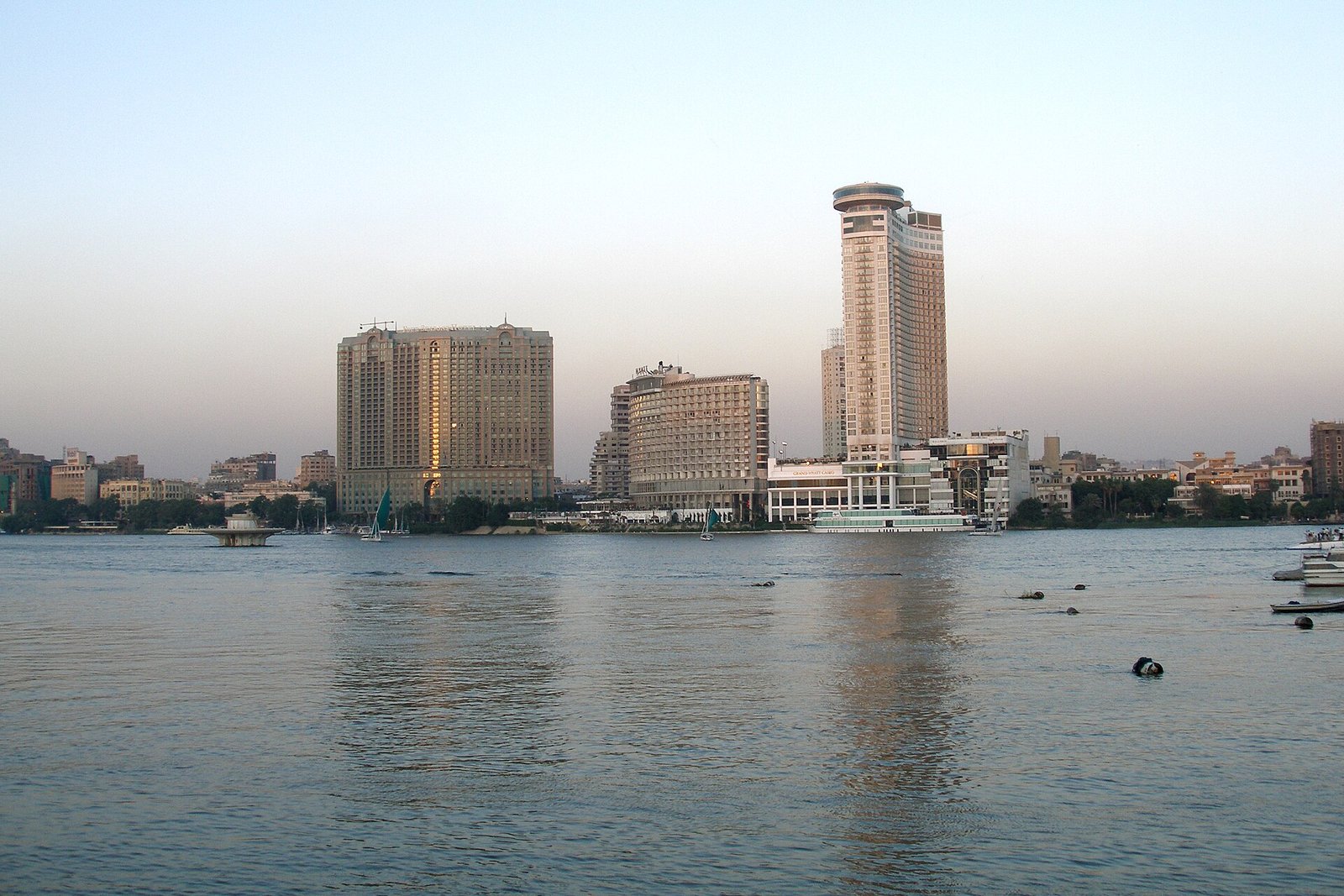
In Cairo the neighborhood matters more than the star rating. Zamalek, the island district of embassies, cafes and leafy streets, is our first recommendation for women, because you can walk to dinner at nine in the evening without a second thought. Skip the budget hotels in the Downtown side streets and around Ramses station, not because they are dangerous but because those streets at night carry the most comment.
Dressing to lower the attention, without dressing up as someone else
Clothing in Egypt is a dial, not a rule. Nobody stops you at a site for wearing shorts, but the attention you receive goes down as you move toward what Egyptian women wear in the same place. The comfortable choice and the low-attention choice are the same thing: loose, light, covering.
- Shoulders and knees covered in cities, villages and religious sites. Linen trousers, a long skirt or a maxi dress with a loose shirt over a tank top works for every temple day.
- Loose over tight. Leggings alone read as underwear in Cairo. Leggings under a tunic to mid-thigh are fine.
- A scarf in your bag. Needed for mosques, useful against the Luxor sun, and a quick way to cover your hair in a village where every woman does.
- Swimwear where there is water, and nowhere else. A bikini on a resort beach is normal; a bikini top as a walking outfit in Hurghada town is not.
The full breakdown by city, season and site, with a packing list, is in what to wear in Egypt as a woman. Loose long clothing is also what keeps you cool when Luxor reaches 104 F (40 C) by noon.
Getting around: the metro women's cars and why apps beat street taxis
The Cairo metro women's cars
Every Cairo metro train has cars reserved for women, marked on the platform with a sign and usually in the middle of the train. Women may ride any car, but at rush hour the women's car is a different experience: calm, no crush, and other women who make room for you. If you take the metro to Coptic Cairo, the one line tourists actually use, get on the women's car.
Uber and Careem over street taxis
Use the apps in Cairo, Alexandria and Hurghada. You get the driver's name and plate before he arrives, the route is recorded, the fare is set, and the conversation stays short. The white street taxis are not dangerous, but hailing one means negotiating a fare, giving directions in a language you do not speak, and sometimes fending off a chatty driver. Sit in the back. How the apps work in Egypt, including at the airport, is in Uber and Careem in Cairo.
Luxor and Aswan
The apps work poorly or not at all in Upper Egypt, so the answer is a driver arranged by your hotel or by us. Do not accept a ride from the man who approaches you at the temple exit.
Beaches, pools and the Red Sea
The Red Sea coast surprises women most, because it works differently from the rest of the country. Inside a resort in Hurghada, Sahl Hasheesh, El Gouna, Marsa Alam or Sharm el Sheikh you are in an international beach environment: bikinis at the pool and on the resort beach, bars in the evening, a walk along the marina in a sundress. Staff are professional and used to guests from everywhere.
Two notes. The public beaches used by Egyptians are a different setting, where local women swim covered and a bikini draws stares, so stay on the hotel beach. And dive and snorkel boats are mixed and relaxed, with a crew that spends the day looking at fish, not at you.
Hotel pools and cruise sun decks follow the same logic. Swimwear stays where the water is.
Cruise boats and archaeological sites: the safest days of the trip
A cruise between Luxor and Aswan puts you in a floating hotel with a crew that knows every passenger by name after the first dinner. Your guide comes aboard and takes you to each temple in a small group. The gangway is watched. You never hail a taxi, never haggle for a ticket, never walk an unknown street after dark. Many couples and groups of friends pick the cruise for exactly this reason on a first visit, then add guided Cairo days before and after. The structure is explained in our guide to the Nile cruise.
At Karnak, the Valley of the Kings, Philae, Abu Simbel, the Pyramids and the museums, you are surrounded by ticket staff, tourist police and thousands of other visitors. The one recurring nuisance is a guard who offers to open a closed tomb or take your photo and then asks for money. A polite "la, shukran" (no, thank you) and walking on is all it takes. With a guide, it does not happen at all.
Health, pharmacies and the things nobody puts in the brochure
Women ask us about this more than about harassment, and rightly, because it affects the trip more often.
- Pharmacies are everywhere in the cities and tourist strips, many open late, with staff who speak basic English. Common medicines are sold over the counter. Bring your own prescriptions in their original packaging anyway.
- Feminine hygiene products are sold in city pharmacies and supermarkets, with less variety than at home. Tampons are not in every shop and menstrual cups are hard to find. Pack what you use, in the quantity you need.
- Stomach trouble is the most common problem on any Egypt trip. Sealed bottled water, cooked food, peeled fruit and rehydration salts in your bag prevent most of it.
- Heat is the real risk in Luxor and Aswan from May to September, with afternoons above 100 F (38 C). Sightseeing at dawn, shade at noon, a hat and constant water.
- Doctors come to your hotel or boat in the main cities, and private hospitals in Cairo and Hurghada handle tourists routinely. Check that your insurance covers a private clinic.
The full list of shots, medicines and what to put in your kit is in travel vaccinations and health advice for Egypt.
If something happens: the script that works
Most incidents end in seconds when you know the moves. This is what we tell every client.
- Comment in the street. No eye contact, no reply, same pace. Attention that gets no response dies in a few steps. If someone follows, step into a shop, a cafe or a hotel lobby for a minute.
- Vendor who will not stop. Do not answer "where are you from," do not slow down, do not argue. A soft "la, shukran" and forward motion beats any explanation.
- A hand in a crowd. Say "haram" loudly. It means shameful, and the crowd turns on the man, not on you. Egyptian bystanders side with a woman who speaks up.
- Unwanted photos or selfie requests. A clear hand gesture and "no" is enough. If it continues, walk to the nearest guard or staff member.
- Anything more serious. Tourist police in white uniforms are at every site and in every tourist district, and hotel staff will call them. Save the US Embassy in Cairo in your phone. If you travel with us, the number your guide gives you on day one is answered by our office at any hour.
Also know the tricks that target all visitors, not just women: read common scams in Egypt before you go, and is Cairo safe for tourists for the capital specifically.
How Explora Egipto builds trips for women travelers
We are a local agency in Egypt with our own guides and vehicles, and many of our clients are women traveling in pairs, families and small groups.
- A guide on every sightseeing day, licensed, English-speaking, female on request where available.
- A private driver from arrival to departure, including the airport meet with a name board and the evening restaurant runs.
- Hotels chosen by neighborhood first. Zamalek or the Nile front in Cairo, the East Bank in Luxor, the Corniche in Aswan, a resort with a private beach on the Red Sea.
- A cruise in the middle for first-timers, because the boat days reset everyone after Cairo.
- A WhatsApp line to our office for the whole trip, answered by a person, and an honest briefing from your guide on day one.
We do not publish prices, because every trip is built around the dates, the group and the pace. Tell us who is traveling and when, and we send you the quote.
Frequently asked questions
Is Egypt safe for a woman traveling with her husband or partner?
Yes, and it is the configuration with the least friction. A man beside you ends most street attention before it starts, and hotels, restaurants and cruise boats treat couples as the standard guest. Follow the dress notes for cities and religious sites, use a guide for the busy Cairo days, and the rest of the trip feels like any other destination.
Is Egypt safe for two women traveling together?
Yes. Two women get some comments near the bazaars and the Pyramids and a few selfie requests, all harmless and all gone with a guide. Book a hotel in Zamalek or on the Nile front, use Uber or Careem rather than street taxis, take the women's car on the metro, and ask us for a driver for the evenings.
Is it safe for a woman to walk alone at night in Egypt?
In the right neighborhood, yes. Zamalek and the Nile-front districts in Cairo, the Luxor and Aswan Corniches and every Red Sea resort are lively and walkable after dark. Avoid the Downtown side streets, the area around Ramses station and unlit streets you do not know, as in any large city. For a restaurant across town, order an app car.
Are there women-only cars on the Cairo metro?
Yes. Every train has cars reserved for women, marked on the platform with a sign and usually in the middle of the train. Women may use any car, but the women's car avoids the rush-hour crush, which is where the rare crowd touching happens. On the ride to Coptic Cairo, get in the women's car and other passengers will help you find your stop.
Can I wear a bikini in Egypt?
At a hotel pool, on a resort beach on the Red Sea and on a cruise sun deck, yes, it is normal. On public beaches used by Egyptians, in towns and anywhere away from the water, no. Cover up with a dress or a shirt and trousers as soon as you leave the pool area. Swimwear stays where the water is.
What should I do if a man harasses me in Egypt?
For a comment, ignore it and keep walking; attention without a response ends in seconds. For a hand in a crowd, say "haram" loudly and the crowd will side with you. For a persistent follower, step into a shop or hotel lobby. For anything more, tourist police in white uniforms are at every site, and hotel staff will call them.
Egypt is far kinder to women than the headlines suggest
Tell us who is traveling, your dates and how much of the country you want to see, and we come back with a plan built around a guide, a private driver, hotels in the right neighborhoods and a cruise in the middle, plus a person on WhatsApp for the whole trip. No prices on this page; we send you the quote.